
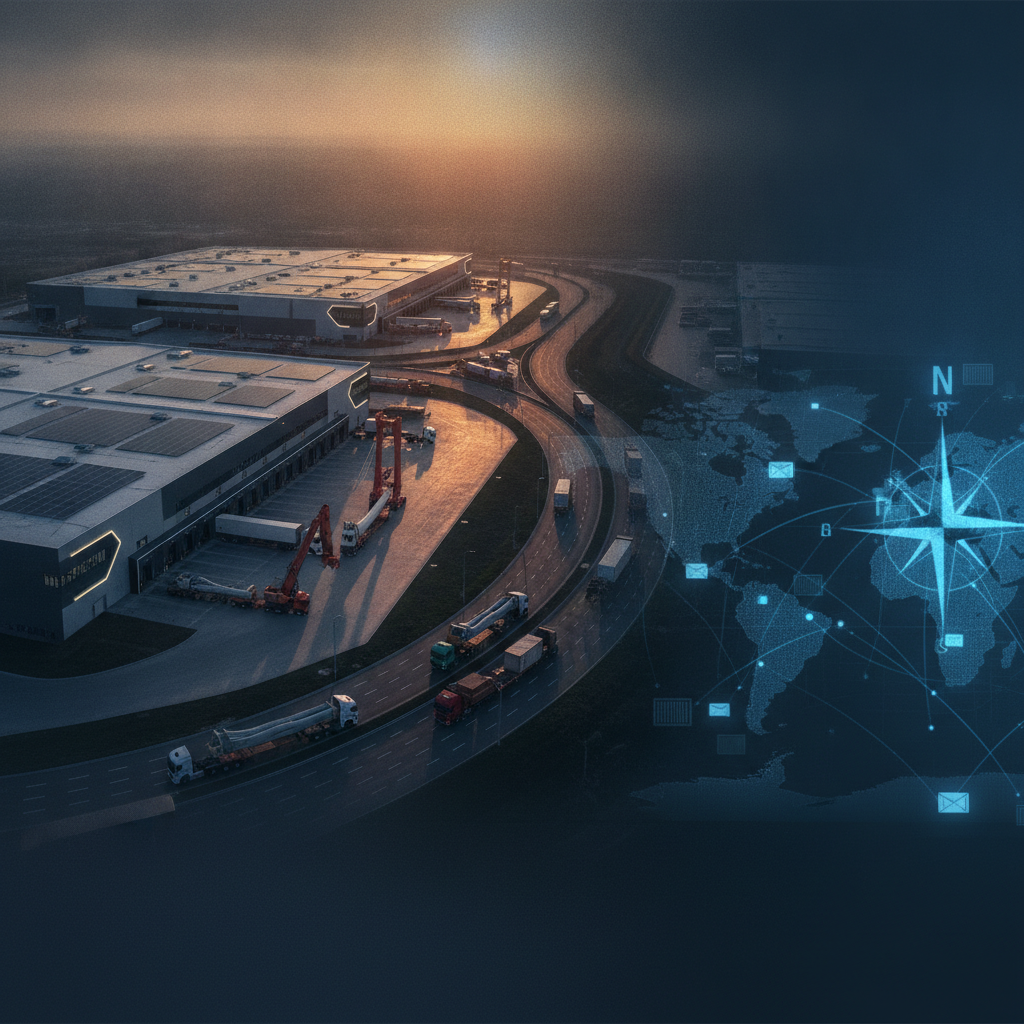
Evaluating Commercial Real Estate Sites: Why Logistics and Heavy Equipment Transport Matter
Commercial real estate investing offers incredible opportunities to build long-term wealth, especially when you leverage innovative platforms like RealtyeVest to access curated, diversified portfolios with a remarkably low entry point. However, finding the right property to invest in goes far beyond just looking at the neighborhood demographics or the current capitalization rate. One of the most critical, yet frequently overlooked, factors in evaluating a commercial site is its logistical capability. Whether you are developing a raw plot of land, renovating a massive industrial warehouse, or simply assessing a property’s future tenant appeal, you have to consider how easily massive machinery and materials can access the location. In fact, many savvy developers start by searching for heavy haul trucking near me before they even finalize a purchase, knowing that seamless transport is the absolute backbone of any successful commercial project.
The Hidden Value of Site Accessibility in Commercial Real Estate
When investors browse real estate opportunities, they naturally tend to focus on standard metrics like square footage, local tax rates, and projected rental income. While these numbers are undeniably important for calculating potential returns, the physical accessibility of the site can dramatically alter its true underlying value. Commercial properties, particularly those in the industrial, manufacturing, or large-scale retail sectors, rely heavily on the constant, daily movement of goods and heavy machinery. If a site is landlocked by narrow residential roads or restricted by strict local weight limits, its overall utility plummets instantly.
Furthermore, evaluating the surrounding infrastructure is an absolute must before committing capital to a project. You need to carefully look at the width of the access roads, the turning radius at nearby intersections, and the clearance height of local bridges and overpasses. A commercial property might look like a perfect, high-yield investment on paper, but if oversized transport vehicles cannot safely navigate that crucial last mile to the facility, future tenants will quickly look elsewhere for their operational needs.
Consequently, properties with superior logistical access naturally command much higher lease rates and experience significantly lower vacancy periods. By prioritizing sites that can easily accommodate massive transport vehicles and constant freight traffic, investors can significantly reduce their risk profile. This strategic focus ensures a more stable, long-term return on investment, perfectly aligning with a smart, diversified portfolio strategy.
Why Heavy Equipment Transport Capabilities Make or Break a Deal
The initial development and renovation phases of commercial real estate require a massive, highly coordinated logistical orchestration. Before a new tenant can even think about moving in, the site must often undergo significant construction. This means bringing in heavy excavators, bulldozers, towering cranes, and massive steel building components. If the property’s location makes it difficult or excessively expensive to deliver these oversized loads, your entire project timeline and budget will suffer immensely.
Delays in heavy equipment delivery directly translate to lost revenue and inflated holding costs. Every single day a construction crew stands idle waiting for machinery to navigate a complex, restricted route is a day your capital is tied up without generating a return. Therefore, understanding the logistical hurdles of a site before you invest allows you to accurately forecast development costs and avoid nasty financial surprises down the road.
In addition, local municipalities often require special permits and escort vehicles for oversized loads to travel through certain restricted areas. Sites that are already situated on designated truck routes or within established industrial corridors eliminate much of this bureaucratic red tape. This streamlined access not only speeds up the initial construction phase but also makes the property inherently more valuable to industrial tenants who face similar daily transport challenges.
Evaluating Proximity to Major Highways and Transport Hubs
Location has always been the golden rule of real estate, but in the commercial sector, it takes on a highly specific, logistics-driven meaning. The physical distance between a commercial site and major interstate highways, rail yards, or shipping ports is a primary driver of tenant demand. Businesses that deal in physical goods operate on incredibly tight margins, and transportation costs can quickly eat into their annual profits.
By investing in properties positioned just minutes from major transport arteries, you are essentially offering future tenants a guaranteed way to cut their operating expenses. Trucks can get on and off the highway quickly, avoiding congested inner-city traffic and drastically reducing fuel consumption. This operational efficiency is exactly what large-scale distributors, manufacturers, and e-commerce fulfillment centers are desperately searching for in today’s fast-paced market.
Ultimately, this close proximity to major transport hubs creates a highly competitive leasing environment for your property. When you build a personalized real estate portfolio through platforms that curate these high-demand locations, you are setting yourself up for reliable, consistent cash flow. Tenants are far less likely to relocate at the end of their lease if moving means sacrificing their highly optimized supply chain routes.
Partnering with the Right Logistics Experts for Your Site
Even with the most accessible commercial property in your portfolio, successfully moving massive machinery requires highly specialized expertise. You cannot simply hire a standard freight company to move a 100,000-pound construction crane or a massive prefabricated warehouse component. This is exactly where partnering with seasoned heavy transport professionals becomes an invaluable part of your overall real estate development strategy.
For investors and developers looking to streamline their site logistics, working with a reputable company like Freedom Heavy Haul is an absolute game-changer. They deeply understand the intricate details of route planning, complex load balancing, and securing the necessary multi-state permits for oversized freight. Having a reliable transport partner ensures that your critical construction equipment and materials arrive safely and perfectly on schedule, keeping your real estate project moving forward without costly delays.
Moreover, building a strong relationship with a top-tier hauling company allows developers to quickly assess the logistical feasibility of a new site. Before committing to a major land purchase, you can consult with your transport partners to identify any hidden logistical nightmares in the surrounding area. Their hands-on, on-the-ground experience provides a unique perspective that standard property appraisals completely miss.
Risk Diversification Through Smart Industrial Investments
Adding logistically sound commercial properties to your investment mix is a brilliant way to achieve meaningful risk diversification. Platforms like RealtyeVest are specifically designed to help modern investors spread their capital across various curated opportunities, lowering the barrier to entry while maximizing potential upside. Industrial and logistics-focused real estate has proven to be incredibly resilient, holding strong even during broader economic downturns.
As consumer habits continue to shift rapidly toward online shopping and same-day delivery, the demand for accessible warehousing and distribution centers will only continue to grow. These properties rely entirely on smooth, uninterrupted transportation networks. By focusing your investment strategy on sites that cater to heavy transport and supply chain efficiency, you are aligning your personal portfolio with unstoppable macroeconomic trends.
Furthermore, the low entry point of modern real estate marketplaces means you do not need millions of dollars in liquid capital to participate in this lucrative sector. You can confidently invest fractional amounts into highly vetted commercial projects, knowing that the foundational elements—like site accessibility and logistical viability—have been thoroughly evaluated by industry experts.
In conclusion, evaluating commercial real estate sites requires a deep, comprehensive understanding of logistics and heavy equipment transport. The ability to easily move massive machinery and materials onto a property dictates not only the speed and cost of initial development but also the long-term appeal to high-paying, reliable tenants. By prioritizing accessibility and proximity to major transport hubs, investors can significantly enhance their portfolio’s overall performance and stability.
As you explore curated investment opportunities and build your diversified real estate portfolio, always keep these logistical realities top of mind. And when it comes time to move heavy machinery, construction equipment, or oversized materials to your new commercial site, never leave it to chance. We highly encourage you to reach out to the dedicated experts at Freedom Heavy Haul to ensure your next major project goes off without a hitch.